
The 2025 NBA Draft promises to be a rollercoaster of potential, where teams will weigh the fine balance between risk and reward, the known and the unknown. At the heart of this class lies a collection of players who stand at various crossroads — some ready to contribute from day one, while others possess such tantalizing upside that teams will have to gamble on their future development. For tiers 1-4, click here.
Tier 5 — The Swing Tier: Flash in the Pan or Future Star?
Every draft has its mystery box — the tier of prospects who’ve shown just enough to make you believe, but not enough to feel certain. Welcome to Tier 5, where potential outweighs polish, and upside whispers louder than consistency.
This is the wild card group — players who have all delivered flashes that turn heads: a sudden scoring explosion, a slick live-dribble read, a two-way possession that makes you pause and rewind. In isolation, these moments are electric. In context, they’re questions waiting to be answered.
What ties these prospects together isn’t production — it’s possibility. They’ve each had stretches that scream NBA talent, but the gap between flashes and full-fledged impact remains significant. The tools are there. The feel is there. The motor, the frame, the intrigue — it’s all there. But can they put it together? Can the highlight become the habit?
The swing is real — and so is the risk. This is the tier where teams bet on development, projection, and patience. Star upside is on the table. So is the possibility they never quite find their footing.
The swing here is real: future star… or flash in the pan?
Tre Johnson: Offensive Flamethrower
Tre Johnson doesn’t tiptoe onto the court — he announces himself. One of the purest scorers in the class, Johnson brings a polished offensive arsenal that makes him one of the most electric, high-upside guards in the draft. With a smooth shooting stroke, deep three-point range, and the ability to create at all three levels, Johnson has all the tools to become a go-to scorer at the NBA level.
He thrives in tough shot-making situations — whether it’s coming off movement, breaking down defenders in isolation, or bailing out possessions late in the shot clock. When he’s dialed in, the offense runs through him with purpose, and his ability to take over a game is hard to miss.
But as tantalizing as the flashes are, they come with caveats. Johnson’s impact is heavily tied to his scoring output, and when the jumper isn’t falling, his presence can fade. He has a tendency to drift when shots aren’t dropping, and that disengagement carries over to the defensive end, where effort and focus fluctuate.
While he has the size and ability to guard wings, his defensive range and intensity remain inconsistent — raising concerns about his long-term viability as a two-way player. If he’s going to stick as more than just a volume scorer, that end of the floor needs real buy-in.
The good news? There are encouraging signs. Johnson has flashed some connective playmaking ability — especially when asked to shoulder a heavier offensive load at Texas. If he can continue developing as a decision-maker and sharpen his feel as a passer, it could open the door for a more well-rounded offensive profile.
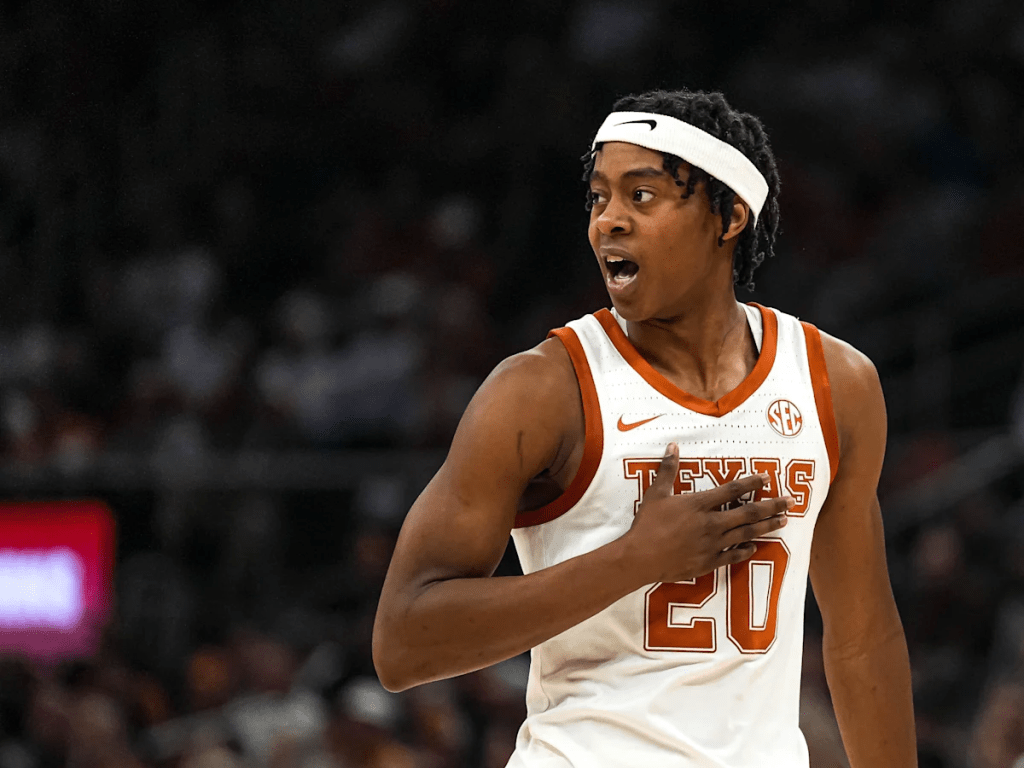
Still, the big question looms: Can he evolve beyond a pure scorer and become a reliable two-way contributor? That’s what NBA teams will be asking. The offensive upside is undeniable. But unlocking the next level of his game will require improved consistency, better defensive engagement, and a commitment to playing with purpose — even when the ball isn’t going in.
There’s a clear path for Johnson to become a dynamic scoring weapon at the next level. Whether he rounds out his game to match the demands of an NBA role will determine just how high his ceiling truly is.
Jeremiah Fears: Poise Beyond His Years, with Room to Grow
Jeremiah Fears doesn’t need to dazzle to make an impression — his game speaks through control, not chaos. One of the youngest prospects in the draft, Fears already plays with the kind of composure that usually takes years to develop. There’s a maturity in how he navigates the floor, a calm under pressure that separates him from many of his peers.
He’s a true floor general — smooth, skilled, and cerebral. Whether he’s orchestrating in the pick-and-roll, isolating in space, or surveying in transition, Fears rarely looks rushed. His handle is elite: tight, deliberate, and functional. He manipulates defenders with subtle shifts, not wasted motion, creating passing angles and space with ease. The midrange pull-up is already a go-to weapon — quick, compact, and consistent — giving him a reliable scoring option when the paint collapses or the three isn’t there.
Fears is also one of the more instinctual playmakers in the class. He reads the floor well, sees advanced windows, and executes with timing — skip passes, pocket feeds, and live-dribble deliveries are all in the bag. His feel for the game is real, and it shows on almost every possession.

But like most young guards, the next steps are critical — and questions remain. Chief among them: the jumper. While Fears is capable of hitting from deep, the three-point consistency isn’t quite there yet. His mechanics are solid, but the results come and go. In a league that thrives on spacing and shooting gravity, that could be a limiting factor early on. If defenders feel safe going under screens or sagging off him in the halfcourt, it could stall his growth as a primary initiator.
Physically, Fears checks in at 6’4″, 180 pounds — a solid base, but he’ll need to add strength to hold up at the next level. Right now, he leans heavily on craft over contact at the rim, using angles and touch to finish. That works against high school and college defenders, but NBA length and physicality could expose that part of his game. Adding muscle won’t just help as a finisher — it’s also key to his defensive development.
On that end, Fears shows promise: he slides well laterally, has sharp instincts in passing lanes, and gives decent effort. But again, strength and physicality will be the early hurdles. He’ll need to prove he can stay in front of quicker guards and not become a target on switches. If he can level up as a defender and at least hold his own, it increases his margin for success significantly.
Still, the upside is hard to ignore. Guards this young — with this level of polish, poise, and feel — don’t come around often. Fears plays like he’s been here before. If the outside shot becomes more reliable and he grows into his frame, he could easily become one of the most valuable long-term guards in this draft. There’s still development ahead, but the foundation is rock-solid.
Kasparas Jakucionis: IQ, Poise, and the Path to the Next Level
Kasparas Jakucionis doesn’t play like a teenager. There’s a calm, calculated rhythm to his game that speaks to his advanced feel and maturity on the floor. He already operates with the presence of a veteran — surveying the court, manipulating defenders, and picking apart defenses with a polished command of the pick-and-roll. His basketball IQ is evident, and his decision-making is rarely rushed. Jakucionis thrives in tight spaces, threading passes with precision and serving as a reliable offensive connector.
He’s not the flashiest athlete in the class — there’s no eye-popping burst or vertical explosion — but his balance and body control more than make up for it. What separates Jakucionis is his ability to stay composed under pressure. Whether it’s collapsing defenses with craft, keeping his dribble alive in a crowd, or finding the open man when traps close in, he plays with the kind of patience that can’t be taught.
But like most young guards, especially those transitioning from Europe, there are hurdles ahead. Chief among them: scoring separation. Jakucionis has a smooth stepback jumper in his arsenal, but he’ll need more than that to thrive at the NBA level. Creating space against longer, more physical defenders will be a challenge, especially without elite quickness or burst. To take the next step as a true creator, he’ll need to diversify his scoring package — finding ways to get downhill more consistently, adding craft around the rim, and developing alternative means of generating looks off the bounce.

The physicality of the NBA will also be a test. Adjusting to the speed and athleticism of the league is a tall order for any international prospect, and Jakucionis will need time to acclimate. Defensively, his point-of-attack coverage is likely to be a work in progress. Lateral quickness and physical strength are areas that will need attention if he’s going to stay on the floor against dynamic guards. Right now, quicker opponents can create separation off the dribble, and that could become a weak point until he tightens up that end of the floor.
Still, the foundation is strong. Jakucionis plays with a rare steadiness, the kind of control that NBA teams covet in lead guards. His vision, timing, and feel give him real long-term upside — particularly if he can sharpen his scoring and improve defensively. He may not project as an immediate impact player, but as a long-term developmental bet, the intrigue is there.
If he can make the adjustment to NBA speed, expand his offensive toolkit, and become more assertive attacking the basket, Jakucionis has the tools to grow into a steady two-way contributor. The game already moves at his pace — now it’s about bringing the rest of his skill set up to NBA speed.
Jase Richardson: A Toolkit Full of Upside — Can He Scale The Efficiency?
Jase Richardson checks a lot of boxes on paper: 6’3″, explosive, strong-bodied, and built to attack the rim. He plays with power and bounce, capable of finishing through contact and elevating in tight spaces — the kind of downhill force NBA teams love to develop. Add in some intriguing flashes of playmaking and multi-positional defensive potential, and you’ve got a long-term swing worth monitoring.
But the key word there is flashes — and they come in a limited sample.
At Michigan State, Richardson played a smaller role than some of his peers in this class. The sample size was modest, and the usage wasn’t heavy — he operated mostly off the ball, rarely tasked with primary creation duties. Yet within that limited window, he showed efficiency: scoring at a solid clip, taking good shots, and minimizing mistakes. That’s encouraging — but it also complicates the projection.
Because the real question is this: what happens when the role expands?
Can that efficiency hold when the volume scales up? Will his decision-making remain sharp when he’s the one initiating the action, especially against NBA-caliber defenses? It’s one thing to thrive in a controlled setting, and another to shoulder a larger offensive load where the reads are quicker, the windows tighter, and the pressure higher.
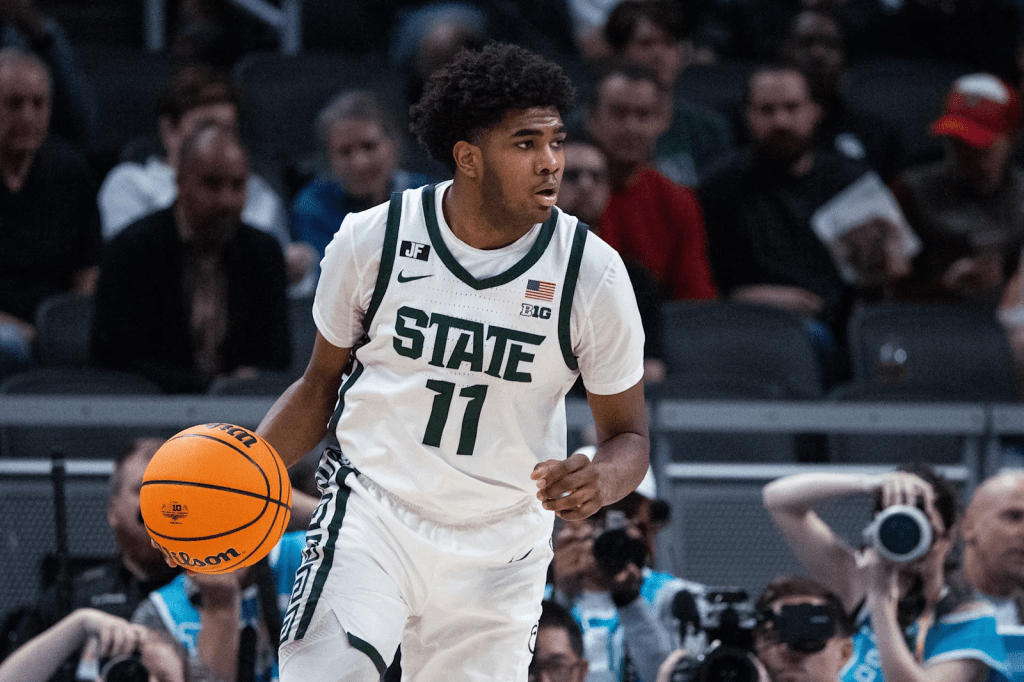
Offensively, Richardson has shown flashes of creation — a willingness to pass, make reads out of movement, and get downhill with purpose. He’s not just a one-track scorer. There’s real value in his ability to pressure the paint, and his physicality suggests he can hold up against contact. But his ability to manage an offense remains a projection. Can he make the right play as a primary decision-maker? Can he keep defenses honest with his shot if the ball is in his hands more often? Those answers are TBD.
On the defensive end, his tools are undeniable. He’s strong, athletic, and agile — with the frame to defend across the perimeter. When engaged, he moves his feet well and uses his physicality to his advantage. But again, the tape is limited. There are stretches where the effort lapses or the reads come a beat too slow. To become a consistent plus defender at the next level, he’ll need to bring sharper focus and more discipline.
The path forward for Richardson is all about development. The tools are there — and in some cases, they’re ahead of the polish. But that’s what makes him a compelling swing. If he can maintain his efficiency while scaling up his offensive responsibility… if he can grow into a more dynamic shooter and playmaker… and if he can lock in defensively with consistency — then there’s real upside as a two-way contributor who can play on or off the ball.
The flashes were exciting at Michigan State. The question now is whether they can become the foundation.
Asa Newell: Modern Stretch Big? Or Confined to Rim Running?
Few prospects in this class blend physical gifts and positional versatility quite like Asa Newell — which is exactly why he fits so cleanly into Tier 5: The Swing Tier. This is the range where upside teases something special, but the gap between flashes and full-fledged production remains wide.
At 6’10” with long arms, fluid movement, and vertical pop, Newell checks every box from a tools standpoint. He runs the floor like a wing, jumps like a big, and covers ground with ease — a prototype modern forward in terms of physical profile. He thrives in transition, whether he’s sprinting ahead for a lob, trailing for a dunk, or flying in from the weakside for a block. And while his game leans raw in stretches, there are real signs of offensive versatility: pick-and-pop shooting, face-up jumpers, closeout attacks, even the occasional grab-and-go.
The flashes are real. The consistency isn’t — yet.
Newell’s defensive potential is equally intriguing. His length and mobility allow him to switch across multiple positions, rotate from the weak side, and contest at the rim. He’s the kind of schematic puzzle piece NBA coaches love to have — capable of defending in space or offering secondary rim protection.

But the projection isn’t without its caveats.
He’s not a 5 at the next level — at least not in a traditional, full-time role. Despite solid shot-blocking instincts, he lacks the lower-body strength, positional rebounding, and interior feel to anchor a defense. His rebounding profile is telling: a high offensive rebounding rate (effort, energy, activity) paired with a low defensive rebounding output (awareness, positioning, physicality). Translation: he’ll need a true interior anchor alongside him to reach his ceiling.
That means his ideal NBA fit is as a modern 4 — which makes the jumper critical.
The shot looks clean. His mechanics are fluid enough to buy into. But the results are inconsistent, and his touch, particularly in the midrange and on the move, still needs refining. When the jumper’s falling, he opens up space, attacks closeouts, and becomes a serious stretch threat. When it’s not, the offense can stall, and his decision-making can waver — leading to forced shots or missed passing reads.
The big picture? Newell is a project with real promise.
He’s not ready for immediate rotational minutes. But in the right developmental system — one with patience, structure, and a clear plan — he could blossom into a dynamic, two-way contributor. The upside is clear: a stretch-capable 4 who can defend in space, finish above the rim, and play off of stars. That archetype is one of the most valuable in today’s game.
Still, the margin for error is thin. If the shot doesn’t click, or the feel doesn’t develop, the floor drops. But if it does come together? Newell has a chance to return real value as a modern frontcourt weapon — the kind of swing worth betting on.
Tier 5 is where teams bet on flashes — not what a player is today, but what they might become tomorrow. Everyone in this tier has a path to becoming a high-impact player. But just as easily, the path could stall. It’s about projection, patience, and development. These are the swing bets — and in the right environment, with the right growth, any one of them could become the steal of the class.
Tier 6 — Projectable Wings with Raw Skill Needing Development
Welcome to Tier 6, a place where the focus is all about potential. These players — Carter Bryant, Noa Essengue, and Liam McNeeley — aren’t polished products by any means, but they each bring an intriguing combination of size, athleticism, and flashes of high-level basketball IQ that make them some of the more intriguing development projects in the class.
What unites these wings is their blend of positional size and athletic profile — they have the physical tools that scream NBA potential. Whether it’s Bryant’s fluidity as a versatile forward, Essengue’s explosive burst around the rim, or McNeeley’s feel for the game on both ends of the floor, each of these players brings something special to the table. These aren’t guys you’ll see consistently dominate games just yet, but when they do flash, it’s clear that there’s more in the tank.
Right now, these players are a bit too erratic to crack the higher tiers. They’re still working on their consistency and refining their games in key areas. Whether it’s shooting consistency, decision-making, or defensive instincts, they’re not quite there yet. But in the right development environment, with time to smooth out those rough edges, there’s reason to believe that each of them could carve out a meaningful role in the NBA down the line.
The raw talent is unmistakable — the question remains: How quickly can their games catch up to the tools? With the right coaching and opportunities, these players could evolve into key contributors for their respective teams. But for now, they remain in Tier 6, the land of high upside, with the clock ticking on their development.
Carter Bryant: A Two-Way Prospect with Considerable Upside
Carter Bryant is a compelling long-term prospect with a promising future as a two-way player. Standing at 6’8″ and weighing 225 lbs, Bryant’s physical profile has only continued to evolve, making him a more imposing presence on the court. His combination of size, length, and athleticism allows him to impact both ends of the floor, with his defensive versatility being one of his standout traits.
Bryant has shown an ability to switch across multiple positions, whether it’s guarding wings, forwards, or even smaller guards. His agility and basketball IQ give him the tools to contest shots effectively and disrupt passing lanes. His length gives him a distinct advantage in affecting shots at the rim and on the perimeter—a crucial skill in today’s NBA defense. On top of that, his instincts allow him to make plays off the ball, whether it’s helping on rotations or jumping into passing lanes for steals. With continued refinement, Bryant has the potential to become a defensive force capable of guarding a variety of positions at the next level.
Offensively, Bryant has flashed potential, even though his opportunities at Arizona were somewhat limited. He plays a smart, efficient style, scoring within the flow of the offense. His ability to finish around the rim, combined with his competence as a spot-up shooter, adds value to his game. He’s capable of attacking closeouts, taking defenders off the dribble in certain situations, and making quick, calculated decisions. However, his offensive game is still raw in some areas. His ball-handling is solid but not yet at the level where he can consistently create for himself or break down defenders in isolation. His shooting form is clean, but the consistency, especially from beyond the arc, still needs improvement.

For Bryant to become a more effective offensive threat, he’ll need to develop into a more reliable shooter, particularly from long-range and when attacking off the dribble. A more diversified offensive game will be crucial for him to unlock his full potential as a two-way forward.
Bryant’s recent physical development—now standing at 6’8″ and weighing 225 lbs—gives him a stronger frame, allowing him to compete effectively with NBA forwards. However, this added size presents a delicate balance. He must continue to build his strength and physicality without sacrificing the fluidity and agility that make him versatile. His ability to finish through contact and battle in the post will be critical as he makes the jump to the next level. Strengthening his frame further will allow him to absorb more physicality from NBA-level competition, all while maintaining his fluid movement on both ends of the floor.
A key question moving forward is how Bryant’s game will scale when given more minutes and touches, particularly in a higher-usage role. His playing time at Arizona was limited, and the lack of a large sample size makes it difficult to project how he will handle a bigger offensive load. Can Bryant maintain his efficiency while taking on more responsibility? Will his defense hold up against a higher volume of NBA offenses? These are critical questions that will shape Bryant’s development moving forward. His ability to take on a more prominent role, maintain consistency, and adapt to the demands of higher-level competition will be crucial for his long-term success.
Bryant’s value lies in his potential as a well-rounded forward who can contribute on both ends of the floor. His defensive versatility and potential as a three-and-D player make him an appealing prospect. However, his future depends on how well he can expand his offensive game. If Bryant can refine his self-creation ability, improve his shooting consistency, and continue to build on his already strong defensive foundation, he could emerge as a versatile, impact player at the next level. His upside is clear, but realizing that potential will require continued development, confidence, and a stronger offensive game to complement his defensive prowess. If Bryant makes those strides, he could develop into a key contributor for an NBA team, offering significant value on both ends of the floor.
Noa Essengue: A Raw, Yet Promising Prospect with Immense Potential
Noa Essengue is a raw but promising prospect who is starting to turn heads with his unique blend of physical tools, energy, and tenacity. Standing 6’9″ with a powerful frame and above-average mobility, Essengue possesses a level of physicality that’s difficult to teach, providing a strong foundation for his development. His game is built around his high motor and physicality, traits that stand out on both ends of the floor and give him a chance to make a significant impact at the next level.
Essengue’s athleticism and strength allow him to battle inside, showing off his ability as a strong rebounder who doesn’t shy away from contact. Defensively, he is a versatile defender, capable of impacting plays in the paint, whether it’s chasing down loose balls, contesting shots at the rim, or guarding multiple positions. He thrives in the “dirty work” areas, making his presence felt without needing to dominate the ball. His energy, hustle, and determination make him a potentially high-impact player defensively, providing a solid foundation for his role in the NBA or any professional league.
Essengue has spent time honing his skills in the G-BBL, a professional league in Germany, where he has faced high-level competition. Additionally, his time representing France on the FIBA circuit has allowed him to gain international exposure and refine his game in fast-paced, competitive environments. These experiences have been valuable for his development, and while he remains a work in progress, the groundwork is solid. His willingness to learn and grow as a player has already been evident, positioning him for continued improvement.

Offensively, Essengue’s game is still raw, and he has yet to develop into a consistent scoring threat. At this stage, he is not yet a floor-spacer, and his ability to stretch the floor is limited. His ball skills are still developing, which makes it difficult for him to create offense in the half-court or break down defenders off the dribble. However, his physicality around the rim, combined with his relentless motor, makes him effective as a finisher in transition and a second-chance scorer. To reach his full potential, Essengue will need to refine his decision-making, particularly in areas like shot selection, passing, and finding his role in offensive sets.
A key area for Essengue’s development is adding a face-up game. As a forward with a strong interior presence, the addition of a reliable mid-range jumper or even a potential three-point shot would significantly boost his offensive potential and make him a more difficult player to defend. While his current game focuses on finishing inside and scoring off hustle plays, improving his perimeter skills will allow him to diversify his offensive attack and become a more well-rounded player. Additionally, his ball-handling and footwork need refinement in order to become a more fluid and consistent offensive threat.
Despite his offensive game still being in its infancy, Essengue’s defensive effort, athleticism, and physicality give him a legitimate shot at developing into a strong rotation player. His work ethic and ability to impact games with his energy and toughness could earn him a role as a defensive-minded forward, contributing in areas such as rebounding, rim protection, and hustle plays. His frame provides a solid foundation, and he’ll be able to build on it as he continues to add muscle and refine his skills.
In the long run, Essengue’s value will hinge on his ability to grow offensively. If he can refine his decision-making, expand his scoring arsenal, and develop a more consistent face-up game, he has the potential to become a versatile forward capable of impacting the game on both ends of the floor. His raw tools, combined with the experience he’s gaining in the G-BBL and on the FIBA circuit, suggest that, with time and development, he could emerge as a key rotational piece in the NBA or a top-level professional league.
For now, Essengue’s journey is still in the early stages, but the pieces are there, and his physical gifts give him a real shot at developing into a high-impact player down the line.
Liam McNeeley: A Smart, Polished Wing with Questions About His Role at the Next Level
Liam McNeeley entered his freshman season at UConn with a strong reputation as one of the most polished wings in his class, known for his well-rounded game and basketball IQ. However, his first year at the collegiate level introduced some new challenges as McNeeley was asked to take on a more on-ball role, something he hadn’t been accustomed to during his high school career. This adjustment pushed him outside his comfort zone, leading to some mixed results. While McNeeley still showcased his innate skills — including smart passing, good court feel, and off-ball movement — his transition to a primary or secondary creator raised some questions about how effective he could be in that capacity at the next level.
McNeeley’s touch remains a strength, and he still has the ability to make smart decisions and create for others. However, there are clear limitations when he’s tasked with handling a larger offensive load. He doesn’t possess elite burst or wiggle, which hinders his ability to break down defenders consistently. His first step is solid but not explosive, and at times, he struggled with decision-making under pressure, particularly against higher-caliber competition. This brings up an important question for McNeeley’s future: does he have the tools to develop into a reliable self-creator at the NBA level, or will his best role be as a complementary player who thrives more in an off-ball capacity?

Defensively, McNeeley competes, but there are concerns about his ability to handle the physicality and speed of NBA wings. His foot speed will need to improve for him to stay in front of quicker, more athletic players. While McNeeley does have a high basketball IQ and a strong understanding of team defense, his lack of elite lateral quickness and the physical demands of the NBA might make it difficult for him to consistently guard high-level perimeter scorers. His defensive projection seems more suited to being a solid team defender — one who can make rotations, close out effectively, and use his intelligence to read plays. However, he may struggle in one-on-one situations against more athletic wings.
Where McNeeley could still provide long-term value is in an off-ball role, where he can contribute as a shooter, cutter, and secondary playmaker. His off-ball movement is one of his strengths, and he does a good job of reading the floor, making timely cuts, and moving without the ball. If he continues to progress as a shooter, especially from beyond the arc, McNeeley could develop into a valuable three-and-D player who fills a complementary role. He could become a reliable “glue guy” who connects plays, spaces the floor, and plays within the flow of the offense, rather than needing to be the focal point.
However, one of the big questions for McNeeley’s development is how he will handle the physicality of the NBA. He has a solid frame, but he may need to add strength to better absorb contact and hold his own against stronger, more physical opponents. His ability to withstand physicality will be crucial for his long-term success in the NBA, especially if he is expected to defend larger wings or finish through contact at the rim.
McNeeley’s potential in the NBA likely lies in a more defined off-ball role, where his high basketball IQ, shooting, and off-ball movement can shine. His defensive projection, however, depends on whether he can improve his foot speed and physicality to become a more consistent defender at the next level. While he may never be a primary creator, McNeeley’s long-term value could still be significant if he can develop into a reliable role player who contributes on both ends of the floor. His growth as a shooter and defender, combined with his ability to fit into a team-oriented system, could make him a valuable asset in the right environment.
Tier 6 is where development staff truly earn their paychecks. These wings aren’t finished products — not by a long shot — but each brings something to the table that can be molded into something special. Whether it’s size, feel, effort, or versatility, players like Carter Bryant, Noa Essengue, and Liam McNeeley have the foundational tools that can translate into valuable role players with the right guidance and time.
These prospects won’t be Day 1 impact players, but that’s where the long-term potential lies. They need time to hone their skills and adjust to the NBA’s pace, but with the right opportunity and coaching, they could evolve into the kind of high-end role players every team needs. They each bring a unique blend of athleticism and potential, which makes them intriguing long-term bets.
For Bryant, Essengue, and McNeeley, their journey will require patience — but don’t be surprised if, by Year 3 or Year 4, we start to see more consistent flashes of the players they’re capable of becoming. Keep an eye on these prospects as they develop; their trajectory could be a difference-maker for a team down the road.
Tier 7: Proven Performers with NBA Traits
Tier 7 is built on one key factor: trust. Trust in a player’s experience, polish, and production. These prospects may not boast the same high-end projection or raw athletic upside as the younger, more unrefined talents in earlier tiers, but what they bring to the table is just as important — readiness, maturity, and the ability to contribute right away.
These are the players who’ve already proven themselves in real minutes on big stages. Whether it’s in the NCAA Tournament, conference play, or international competitions, they’ve shown the ability to perform under pressure. What sets them apart is their consistency and the purpose with which they play the game.
Each player in this group brings a clear identity and NBA-translatable skill sets that make them incredibly appealing targets for teams looking to add reliable contributors to their rotation. These are the types of players who carve out roles early in their careers because they know exactly who they are, they play hard, and they impact winning — exactly the kind of pieces a team can lean on from day one.
Nique Clifford: Connective Wing for the Modern NBA
Nique Clifford is the type of wing every coach loves to have — long, switchable, unselfish, and engaged on both ends of the floor. At 6’6″ with impressive length, he brings versatility and the kind of effort that makes him a natural fit as a modern NBA connector. Clifford’s game is built around doing the little things that often go unnoticed — defending across multiple positions, rebounding with physicality, making smart cuts, and keeping the ball moving offensively. He doesn’t need to dominate the ball to impact the game, which makes him an ideal complementary piece for teams in need of someone who plays within the structure and elevates the talent around him.
While Clifford is not yet a volume scorer or a lead initiator that translates to the next level, that said his ability to make an impact on both sides of the ball cannot be understated. His outside shot has shown real signs of progress, and if he can continue to build confidence as a catch-and-shoot threat, there’s a clear pathway for him to become a reliable 3-and-D-plus contributor at the next level.
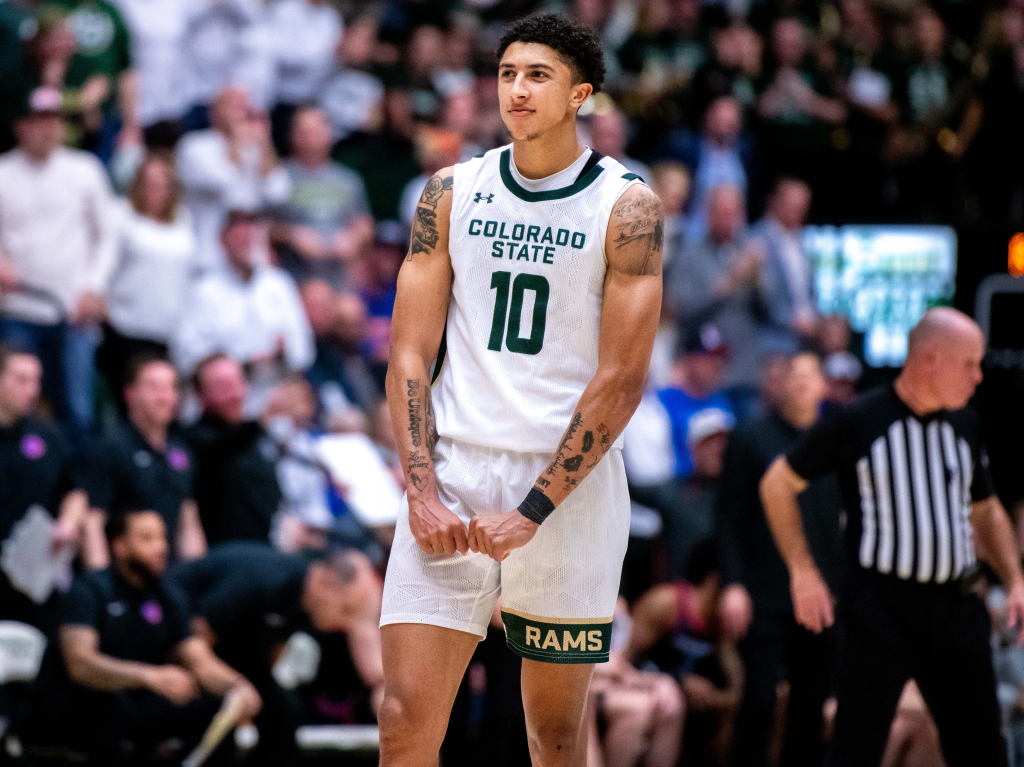
However, evaluators are asking two important questions about his transition: How much of Clifford’s success came from being the focal point at Colorado State in the Mountain West, and how will he adjust to a more narrowly defined role at the NBA level? At Colorado State, Clifford was often the guy initiating offense and shouldering a significant two-way load. In the NBA, he’ll likely need to shift his focus to defense, off-ball movement, and making quick, simple reads — areas where his versatility and feel will be tested. The swing question is whether he can continue to bring the same level of impact without the ball in his hands.
Despite these uncertainties, Clifford’s versatility, feel, and effort give him a real chance to carve out a role in the NBA. He’s the type of mature, low-maintenance wing who can fill out a rotation, plug into multiple lineups, and contribute to winning — even if he’s not putting up flashy numbers. In the right system, Clifford could be the kind of high-value role player who does all the things that help teams win, without needing the spotlight.
Rasheer Fleming: A High-Energy Forward with NBA Potential
Rasheer Fleming plays with an edge that immediately catches the eye. He’s a hard-nosed, high-energy forward known for his consistent effort, physicality, and no-nonsense approach to both ends of the floor. Standing around 6’9″, Fleming is slightly undersized for a traditional frontcourt anchor, but his combination of strength, mobility, and timing allows him to hold his own in physical matchups, switch onto smaller players, and make disruptive, effort-driven plays all over the floor.
Fleming’s game is built around his relentless motor. He crashes the glass with purpose, rotates defensively, sprints in transition, and finishes plays that others won’t even attempt. As a play-finisher, he thrives on rim-running, cuts, putbacks, and hustle points — rather than self-created offense. He’s not expected to break down defenders or create offense in space, but his ability to play within his role and understand his limitations will serve him well at the next level.
That said, two key questions surround Fleming’s transition to the NBA. How will his game hold up against NBA-level length, strength, and speed? After competing in the Atlantic 10 rather than a Power 5 conference, he’ll face a significant jump in competition. It will be a test of how well his physicality and energy translate against opponents who can match or exceed his tools. Can his shooting become a reliable part of his game? Fleming showed encouraging signs of growth as a shooter last season, but questions remain about whether that progress is sustainable. His shooting mechanics still look a bit stiff, leading to concerns that his improvement could prove to be a hot streak rather than a lasting trend. If the jumper doesn’t hold up, his offensive limitations might become more pronounced at the professional level.
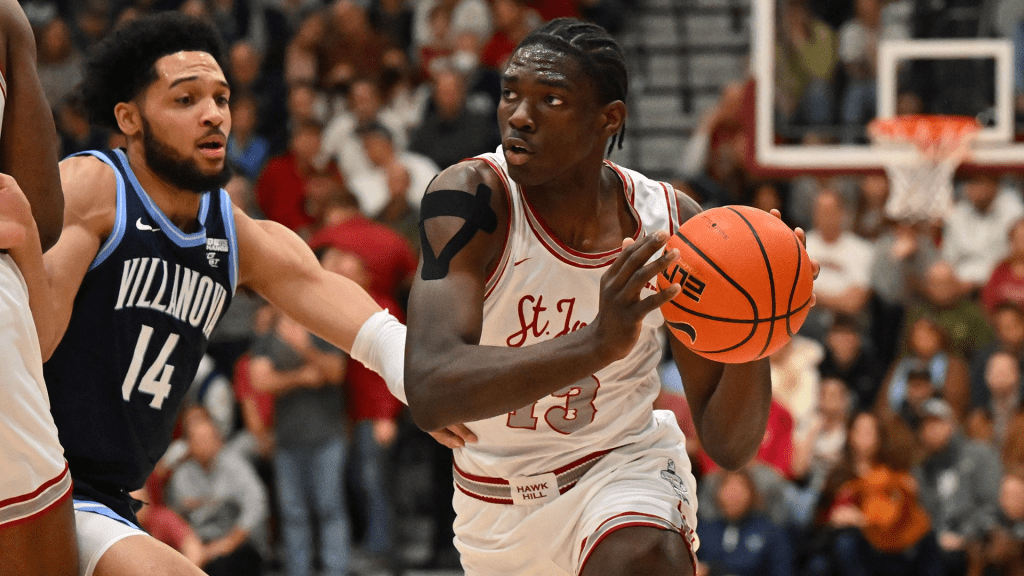
Ultimately, Fleming’s path to an NBA role hinges on several factors. If he can continue to bring defensive versatility, add muscle without sacrificing mobility, and stabilize his shooting just enough to stretch the floor, he has a legitimate chance to carve out a role as a low-usage, high-impact small-ball four. He may never be the player who puts up gaudy stats, but Fleming’s ability to win possessions with his hustle, toughness, and focus on the little things could make him a valuable asset in the right system. In time, his high-effort style and versatile skill set could translate into staying power as a dependable role player.
Walter Clayton Jr.: A Skilled Veteran Perimeter Scorer with the Potential to Thrive in a Defined Role
Walter Clayton Jr. is one of the most skilled perimeter scorers in this group — a polished, confident combo guard with a game built on poise and control. Known for his ability to score at all three levels, Clayton’s offensive game is both versatile and efficient. His jumper is compact, quick, and consistent, with legitimate range. Whether it’s shooting off the catch, off movement, or off the bounce, he’s a reliable threat from deep. Beyond his shooting, Clayton is also a capable driver, using his strength, touch, and craft to finish through contact, despite lacking elite burst.
What makes Clayton particularly intriguing is his comfort in ball screens and his ability to manipulate the pace of a game, giving him real value as a secondary creator. While scoring is his primary weapon, he has also flashed some playmaking chops, showing the ability to facilitate and set up teammates when needed. But what sets him apart is his well-rounded game. Clayton doesn’t just live on the perimeter as a shooter — he rebounds well for his size, defends with effort, and is active in every aspect of the game. His engagement, even when he’s not scoring, speaks to his basketball IQ and commitment to contributing in multiple ways.

However, the big question surrounding Clayton’s future at the next level is how he adjusts to a scaled-down role. At 6’2″-6’3″, he’ll likely be asked to play more off the ball in the NBA, but his game doesn’t necessarily profile as a true point guard or lead initiator. Can Clayton continue to thrive in a more narrowly defined role, particularly as an undersized off-ball guard? His ability to defend up a position will be crucial. While he’s a solid defender, his size and lateral quickness could be limiting factors against taller, more athletic NBA wings.
If he can prove that he can guard his position and maintain his shooting efficiency in a more limited role, there’s a real path for him to become a high-level shot-maker off the bench. A microwave scorer who can change the rhythm of a game with quick bursts of offense. However, if his physical tools hold him back defensively, or if he struggles when he’s not the focal point of the offense, his margin for error shrinks.
Clayton’s feel, toughness, and offensive versatility give him a legitimate chance to carve out a role in the NBA. His playmaking, scoring ability, and all-around engagement make him an intriguing option, particularly after his NCAA tournament performance and leading the Florida Gators to a championship, where he was the driving force behind their run. If Clayton can prove himself in a more limited, off-ball role, he could develop into a key contributor with the potential to impact games as a high-energy, efficient scoring guard.
Noah Penda: A Tough, Defense-First Wing
Noah Penda is a physically mature, battle-tested wing whose game is built on defense, toughness, and relentless effort. Standing around 6’6″-6’7″ with a strong, pro-ready frame, Penda brings a level of physicality and presence that can hold up in a variety of matchups. Whether he’s bodying up wings, fighting through screens, or crashing the glass, Penda plays with a clear focus: defend first, ask questions later. His defensive appeal is undeniable — and it serves as the foundation of his NBA case.
Penda competes with an edge, displaying the lateral mobility to keep up with quicker guards while also having the strength to battle bigger wings. He’s active, instinctive, and always willing to dive into the gritty work that others might shy away from. His experience in France’s LNB Pro A league, one of Europe’s most physical professional circuits, has allowed him to go up against older, stronger, and more skilled competition — and he’s more than held his own. That experience speaks volumes about his readiness to step into an NBA environment where physicality and toughness are paramount.

Offensively, Penda is more of a role player. He plays within himself, focusing on cutting, attacking closeouts, and finishing at the rim. However, he’s not someone you’d run offense through. The big question mark is his jump shot. If Penda can develop into a reliable catch-and-shoot threat, he opens up the door for a clear 3-and-D role at the next level. But if his shot doesn’t come around, it raises the question of how much offensive value he can bring in a spacing-heavy league. Without a consistent threat from deep, defenses may sag off and crowd the paint, limiting his impact in halfcourt settings.
Despite the offensive questions, Penda’s defensive versatility and maturity stand out. He has the potential to carve out a valuable role as a defensive-minded wing who can come off the bench and contribute in key moments. If he can make even modest strides as a shooter, Penda could quietly become one of the most impactful role players in this class. His ability to defend across multiple positions, combined with his toughness and willingness to do the dirty work, make him a strong candidate for a long-term NBA career.
Johni Broome: A Tough, Consistent Big with a Pro-Ready Mindset
Johni Broome stands out as one of the most productive and battle-tested bigs in this class, a player who has proven himself time and again with toughness, basketball IQ, and consistency. At around 6’9″ with a strong, sturdy frame, Broome may not have ideal size for a traditional NBA center, but he makes up for it with exceptional fundamentals. His wide base, soft hands, great footwork, and elite timing in critical areas — whether it’s boxing out, contesting shots, or carving out space on the block — allow him to play bigger than his measurements suggest. Broome’s steady, no-frills presence is felt on both ends of the floor.
Defensively, Broome’s smart and physical play is a major asset. He’s always in the right position and unafraid to absorb contact. While he might not be an explosive rim protector or a vertical lob threat, his positioning, strength, and effort still make a meaningful impact on that end. He’s the type of player who doesn’t rely on athleticism to be effective, instead leaning on his high-level fundamentals to disrupt opponents.
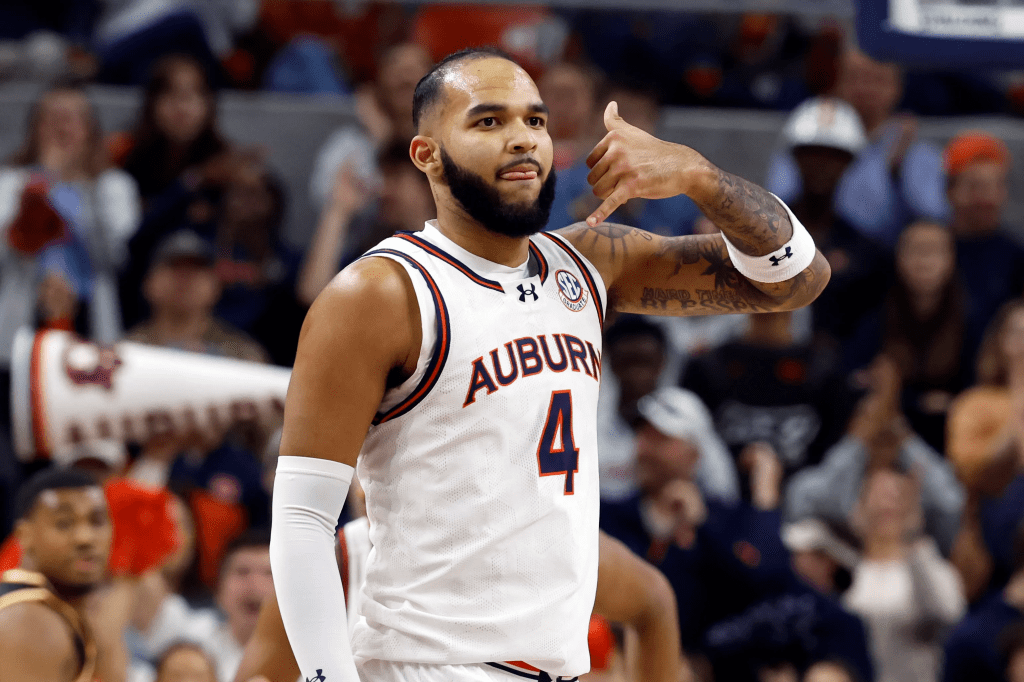
On offense, Broome primarily operates as a low-post scorer and short-roll operator. However, he has shown flashes of a developing face-up game and pick-and-pop range, which adds intrigue to his long-term projection. His ability to expand offensively could give him a more versatile role as his game continues to evolve.
Despite his strong foundation, two key questions loom as Broome transitions to the NBA:
- Is he a full-time center? At 6’9″ without elite vertical pop, Broome’s ability to anchor a defense and finish above NBA-level length could be an issue. He’s a bit of a tweener — not quick enough to defend in space as a four, but not quite a traditional five due to his lack of rim protection and floor-spacing ability. The uncertainty surrounding his exact role at the next level makes it difficult to project his fit.
- Is there more to his game? Broome has made noticeable improvements over his college career, including signs of growth in his touch and shooting. However, the question remains: How much more can he develop? If his jumper becomes more consistent and he’s able to defend in drop coverage schemes, Broome could carve out a role as a reliable second-unit big.
What Broome does bring is toughness, IQ, and a pro-ready mindset. He doesn’t need a heavy offensive workload to be effective, understands team concepts, and has the physicality to hold his own against NBA-level backup bigs. His reliability could quickly earn him minutes, especially in situations where consistency is key. Broome may not have a high ceiling, but his solid floor and dependable skill set make him the type of player who can find a role early and earn the trust of coaches. In a league where reliability is highly valued in the frontcourt, Broome feels like the kind of big who will make an impact — even if his ceiling doesn’t soar to the top of the NBA charts.
Tier 7 isn’t about upside — it’s about immediate value. These prospects bring toughness, reliability, and role-ready skill sets that translate. They’re grown men who’ve played in big games and know what it takes to contribute to winning. Maybe they don’t turn into stars — but every rotation needs guys like this. Players who stay ready, stay solid, and stick.
Tier 8 — Long-Term Upside Swings
Tier 8 represents a collection of players with raw potential that could lead to significant rewards if they develop as expected, but the risk involved is substantial. These are young players who possess intriguing tools, flashes of high-end talent, and the kind of upside that could translate into an impactful NBA career — if they can refine their game and unlock their full potential. However, these players are still unpolished, far from finished products, and need significant work to become effective contributors at the next level.
The upside with players in this tier is enormous — they might possess athleticism, physical tools, or natural instincts that stand out, but they may also need to improve in multiple areas to fully realize that potential. The uncertainty is palpable, as it’s difficult to predict whether these players will fully develop their skills or whether their weaknesses will remain significant obstacles.
These players often require time, patience, and a strong developmental system to grow into meaningful contributors. They might need to sharpen their basketball IQ, refine their shot selection, improve their decision-making, or gain consistency in other key areas to succeed at the NBA level. However, if they’re able to reach their ceiling, they could provide exceptional value as key role players or even more.
This tier is where boom-or-bust potential truly lies. The upside for these players could be significant, but they come with enough questions and developmental hurdles to make them a high-risk, high-reward proposition. If they pan out, they could be major contributors; if they don’t, they may struggle to even crack an NBA roster.
The hope for teams looking at these players is that the right system and the right developmental resources will allow them to tap into their untapped potential. But as it stands, Tier 8 represents the ultimate gamble in terms of potential versus risk.
Egor Demin: A Big Guard with Limitless Potential or Uncertain Ceiling
Egor Demin is a 6’8″ big-bodied guard with a rare combination of size and feel for the game, particularly as a perimeter player. His length and court vision stand out for a player of his stature, making him a potentially versatile playmaker at the next level. Demin’s ability to read the floor and his pass-first mentality position him as a dual-threat guard capable of both facilitating for teammates and scoring effectively. His defensive tools are equally promising, with his size allowing him to impact the game in multiple ways — whether by disrupting passing lanes or guarding multiple positions.
However, despite these exciting qualities, Demin’s game is still a bit rough around the edges. While his basketball IQ is evident, his decision-making needs to improve, and shooting consistency, particularly from beyond the arc, remains a major area of concern if he’s to fully unlock his offensive potential. On top of that, his physicality is a question mark. Though he has the frame to match up with the more athletic NBA players, Demin will need to add more strength and stamina to handle the league’s faster, stronger competition.

A crucial question surrounding Demin’s NBA future is whether he can evolve into a lead guard at the next level. While he’s shown flashes of impressive playmaking, much of his career has been spent as the primary ball handler, and his off-ball movement and shooting off the ball remain underdeveloped. He’s not yet proven to be a consistent shooter off the catch or in movement, which raises concerns about his ability to thrive in an off-ball role when he’s not the focal point of the offense. This presents a dilemma for his NBA projection — can he develop into a traditional lead guard, or will he struggle to space the floor and make an impact without the ball in his hands?
Ultimately, Demin’s long-term upside remains significant if he can put the pieces together. His raw tools are undeniable, but he still needs significant refinement. The questions around his physicality, off-ball movement, and whether he can develop into a true combo guard will likely determine whether he can make a smooth transition to the NBA or if his development will take longer than anticipated. His future in the league largely depends on whether he can evolve into a more complete offensive player, improving his off-ball movement and becoming a more consistent perimeter threat.
Will Riley: Scoring Talent with Room for Growth and Defensive IQ Needed
Will Riley is a dynamic offensive weapon with an intriguing skill set that has scouts excited about his potential. Standing at 6’9″, his combination of length and athleticism allows him to score in a variety of ways — from driving to the rim with force to knocking down shots from deep. Riley’s ability to create his own offense, whether off the dribble or as a pull-up shooter, is a rare trait that sets him apart in his class. When he’s on, he can take over games and show flashes of a true offensive engine, with a keen basketball IQ that allows him to recognize when to score or set up teammates.
Despite his promising offensive game, Riley’s inconsistency remains a major red flag. His shot selection and decision-making have often been questionable, especially in high-pressure moments, leading to inefficient shooting nights. Though his scoring upside is clear, these flaws could hinder his ability to make an immediate impact at the next level, where efficient decision-making is crucial. Riley’s tendency to take difficult, contested shots could be a significant barrier to his development, and will need to refine his approach if he wants to translate his potential into consistent production.

On the defensive end, Riley possesses the physical tools to be a strong defender, with his length and athleticism giving him the ability to be disruptive. However, his defensive effort and technique have not yet matched his offensive potential. His inconsistency on that side of the floor, particularly in terms of positioning and effort, raises concerns about his ability to stay on the floor in the NBA, where defense is just as important as scoring. If Riley hopes to carve out a role at the next level, he will need to show significant improvement defensively, becoming more engaged and disciplined in team defense.
Ultimately, Riley’s long-term success hinges on his ability to clean up his shot selection and become a more reliable defender. If he can find a balance between his high-scoring flashes and make smarter decisions on offense, while developing a solid defensive game, Riley could evolve into a high-upside, two-way player. Until then, his inconsistency on both sides of the ball may limit his minutes and potential.
Labaron Philon: A Dynamic Scoring guard with Room for Development
Labaron Philon is a quick, shifty guard whose natural scoring ability stands out as his primary strength. His basketball IQ and scoring instincts are immediately evident, allowing him to create offense in a variety of ways. Whether it’s slashing to the rim, attacking off the catch, or breaking down defenders off the dribble, Philon has the tools to be a dynamic and versatile scorer at the next level. His shiftiness and ability to change speeds make him particularly effective in transition and isolation situations, keeping defenders off balance.
Despite his offensive upside, Philon’s game still has several areas that need refinement for him to thrive in the NBA. The biggest concern is his shooting consistency, particularly from beyond the arc. His three-point shooting has been streaky, and to unlock his full potential, he’ll need to develop a more reliable jumper. His shot selection can also be problematic, as he often becomes overly aggressive, taking contested or forced shots that lower his efficiency. As a result, Philon will need to improve his decision-making, especially in high-pressure situations, where the balance between scoring and playmaking is critical.
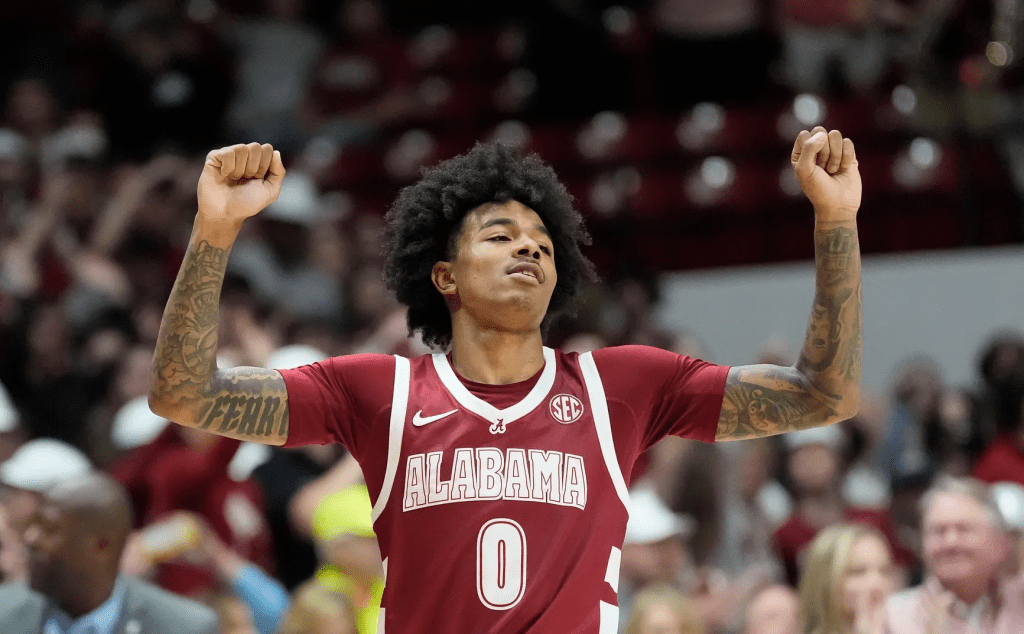
Another hurdle for Philon is his physicality. At his current size, he can struggle against bigger, more physical defenders. To succeed in the NBA, he’ll need to add strength and improve his ability to finish through contact. He has the tools to be a solid defender, but his lack of strength and tendency to struggle staying in front of stronger or quicker guards could make him vulnerable at the next level.
Like many young players, Philon will face a learning curve in transitioning to the NBA. The speed of the game, combined with the demands of improving shot selection and defense, will be key areas for his development. For Philon to maximize his potential, he will need to develop a more reliable three-point shot, sharpen his decision-making, and commit to improving his physicality and defensive effort. While his natural scoring ability and shiftiness provide a strong foundation, it’s his ability to refine these other aspects of his game that will determine his success at the next level. His upside remains high, but it will ultimately depend on his growth and maturity as a well-rounded player.
Thomas Sorber: A Throwback Big with Defensive Tenacity
Thomas Sorber stands out as an intriguing interior presence, bringing a blend of toughness, physicality, and a reliable motor to the floor. Standing at 6’10”, his strong, sturdy frame makes him a constant force around the basket — whether he’s battling for rebounds, setting bone-crushing screens, or holding his ground in the paint. His energy and effort on both ends of the floor allow him to be an impact player, especially when it comes to crashing the boards and finishing inside. His rebounding instincts, combined with his physicality, give him a clear pathway to contributing at the next level.
Defensively, Sorber’s value shines brightest. He has a knack for anchoring the paint, using his strength, timing, and positioning to deter drives and contest shots. He isn’t intimidated by physical matchups and thrives when defending traditional bigs in post-up situations. His motor is an asset — he consistently challenges shots, rotates with purpose, and plays with an intensity that helps him make his presence felt on both ends of the floor. However, his lack of elite athleticism and lateral quickness raises questions about how his defense will translate to the modern NBA, where mobility and the ability to switch across positions have become more crucial. To maximize his defensive potential, Sorber will need to improve his conditioning and foot speed, especially when guarding quicker wings or being switched onto smaller players.
Offensively, Sorber is still a work in progress. While he shoots a high percentage from the field, much of that comes from easy finishes around the rim, typically via dump-offs, lobs, or offensive rebounds. His post game and footwork are still developing, and he lacks a consistent go-to move with his back to the basket. While he has shown some willingness to shoot from distance, his shooting remains inconsistent, and his ability to stretch the floor is still speculative. A reliable mid-range jumper or the ability to become a pick-and-pop threat would add a valuable layer to his offensive game. Right now, NBA defenses will likely test him by forcing him to beat them outside of the paint.
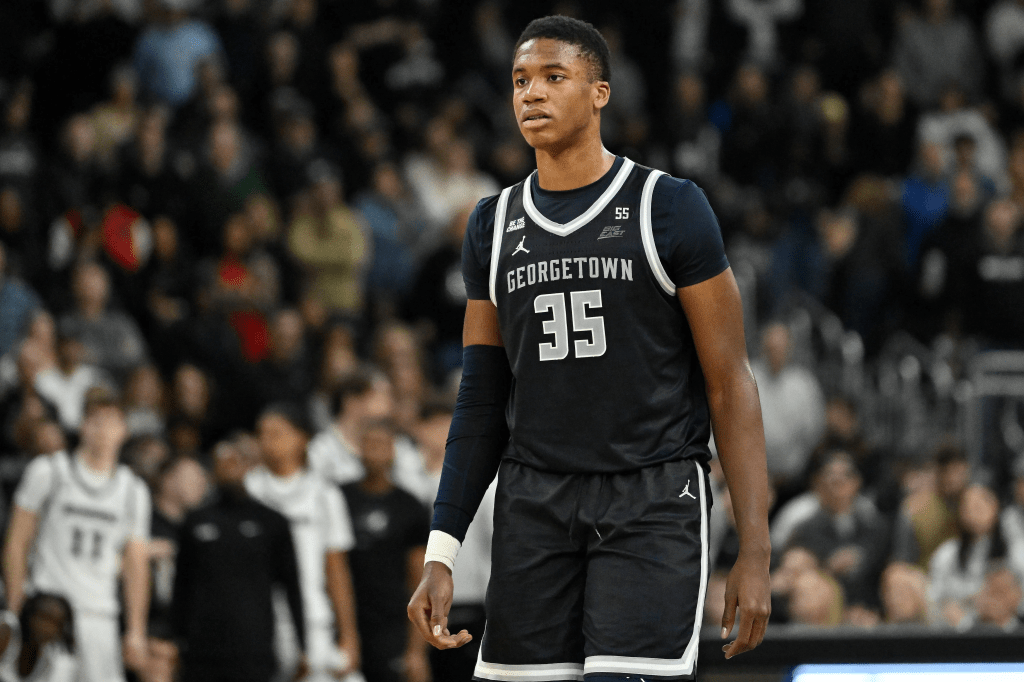
An interesting aspect of Sorber’s game is his relatively low dunk numbers. This may not be due to a lack of strength or touch but rather his play style. Sorber is more of a ground-bound finisher who uses positioning and strength to score, rather than relying on vertical explosiveness. This limits his potential as a lob threat or a rim-runner, which could hinder his ability to fit in the modern NBA game.
Ultimately, Sorber’s value lies in his toughness, defensive tenacity, and his willingness to do the little things. He may not be a flashy player, but he plays hard, embraces physicality, and understands his role. If he can improve his post footwork, become a more consistent shooter, and develop greater lateral mobility, Sorber has the foundation to carve out a dependable role as a big man in the NBA. His tools are there — the question will be how much skill and versatility he can add to complete his game.
ach of these players has displayed something worth noting, whether it’s a scoring burst, standout defensive tools, or unique physical attributes that could eventually make them valuable contributors in the NBA. But the question that looms over each of them is: Can they put it all together?
This tier is a true boom-or-bust category. For the right team, with the right developmental staff and environment, these players could take a significant leap in their game, becoming integral pieces of a roster. On the other hand, there’s also the risk that the raw potential never fully materializes, and they fail to make a lasting impact on the league.


 The Center Hub
Leave a comment